
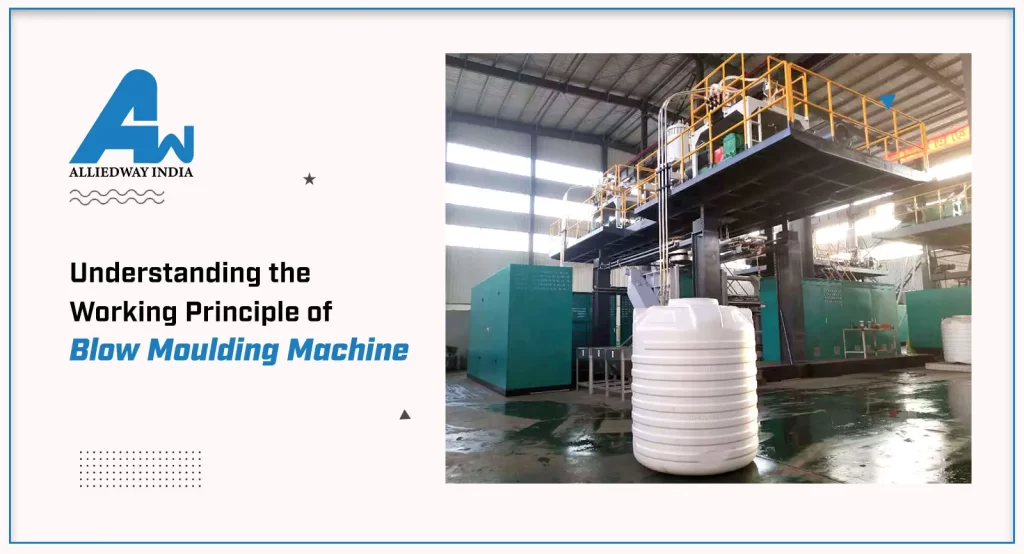
In 2026, the HDPE blow moulding machine became the standard for anyone making hollow plastic product. If you see a massive water tank, a tough chemical drum, or an IBC container, it was almost certainly made in one of these machines. They are designed to take raw plastic and turn them into a finished, usable product in a remarkably short cycle.
Getting a proper handle on the operating principle of HDPE blow moulding machine is a game-changer for production. When you know exactly what is happening inside that frame, you can run the production line faster, cut down on expensive plastic waste, and make sure every item is strong enough for the job. It also takes the guesswork out of maintenance, helping you catch a small mechanical hitch before it turns into a costly breakdown.
Why This Machine is the Industry Go-To
HDPE blow moulding machine equipment is built specifically to handle high-density polyethylene, which is the heavy-duty stuff used for industrial storage. While other methods might work for solid parts, blow moulding is the undisputed king of hollow shapes. Because these machines are used for everything from water storage to chemical packaging, they need to be reliable.
Yet mastering the working of the HDPE blow moulding machine is the only way to keep a facility running for long shifts without constant interruptions.
Breaking Down the Main Parts
For the whole thing to work, several key pieces have to pull their weight together:
- The Extruder: This is the starting point. It heats the plastic granules until they become soft and then smoothly pushes the melted material forward.
- Parison Die: This part shapes the melted plastic into a long, hollow tube that hangs downward. This tube, known as a parison, is the first form of the final product.
- Mould: The mould is a solid SS that closes around the plastic tube and shapes it into its final design.
- Clamping Unit: This part holds the mould tightly shut. It applies enough force to handle the high air pressure used during the process.
- Air Compressor: The compressor blows air into the center of the plastic tube, causing it to expand until it presses against the mould walls.
- Cooling System: Once the plastic takes shape, the cooling system quickly lowers its temperature so it hardens and keeps that shape.
- Ejection System: In the final step, the machine opens and gently pushes the finished product out, making the machine ready for the next cycle.
How the Process Flows in Real Time
The working of the HDPE blow machine is actually quite logical. It starts with the extruder melting the plastic until it is workable. This material is then pushed through the die to create that hanging tube. Once the tube reaches the correct length, the mould closes firmly around it.
Then, a short burst of compressed air is blown inside, causing the tube to expand like a balloon until it presses into every part of the mould. After the cooling system does its job and the plastic sets, the mould opens, and the new tank or drum is removed. This process keeps repeating, with the extruder and compressor working in a steady line to keep quality high.
Benefits of Understanding the Machine
When you understand the machine inside and out, your production line naturally gets better. You will notice that things move faster and there is far less scrap plastic sitting on the floor.
It also guarantees that every single product you produce is consistent. For the workers, it makes the day much easier because they know exactly how to fix the machine for the best results.
Conclusion
The HDPE blow moulding machine is a vital piece of hardware for modern manufacturing. From the melting stage to the final cooling, every component has to do its job perfectly.
Alliedway India is a top-tier manufacturer known for building HDPE blow moulding machines that are durable, energy-efficient, and easy to run. They offer professional setup and the kind of support that helps businesses stay productive year after year. Whether you are making water tanks or industrial drums, their machines provide the reliability you need to keep your business moving forward.

