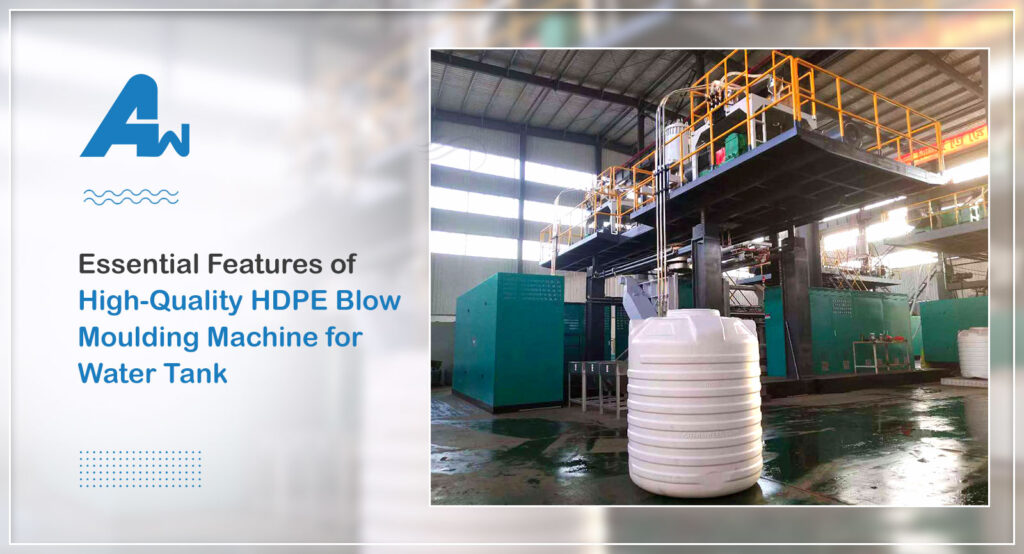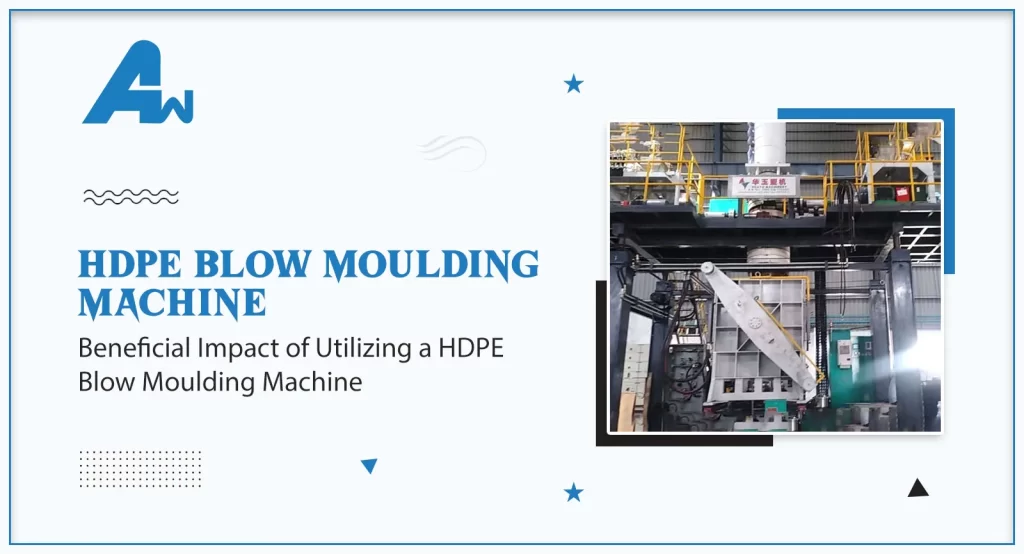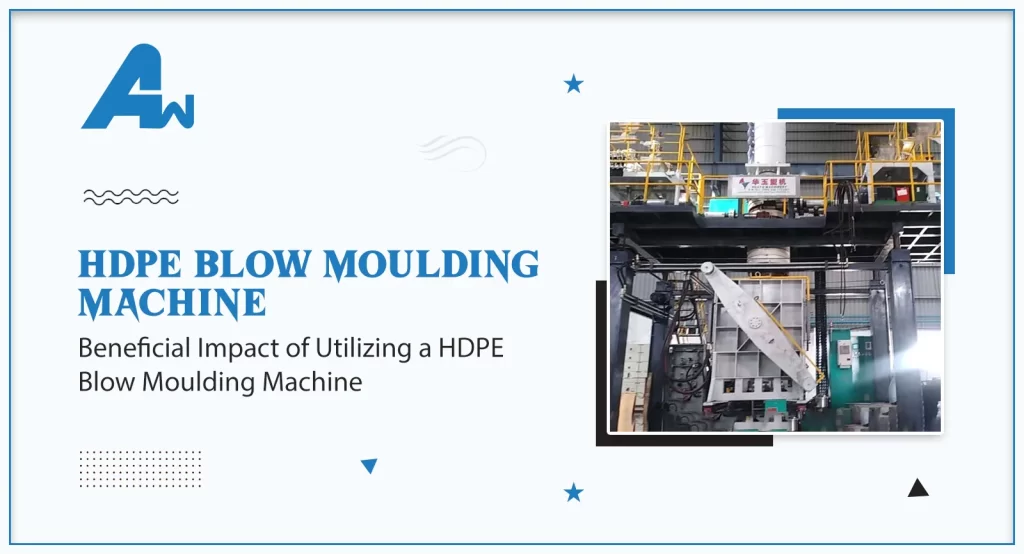
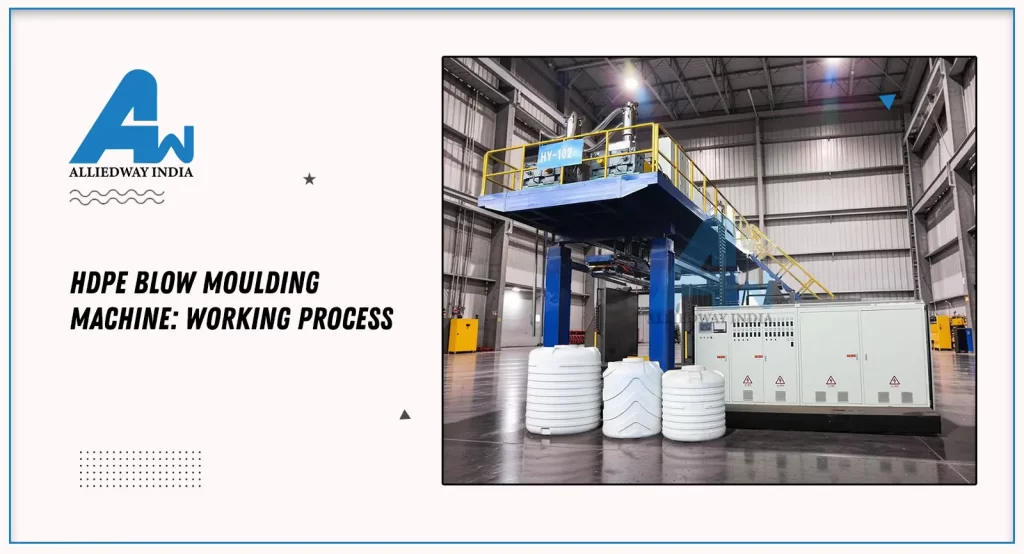
Plastic IBC containers, and storage drums are used in almost every industry today. From packaging liquids to storing chemicals, these products are usually made using an HDPE Blow Moulding Machine. This machine is specially designed to shape heated plastic into hollow containers with uniform thickness and strength. Because of its durability, lightweight, and resistance to chemicals, manufacturers prefer HDPE. The machine melts plastic material, forms it into a tube shape, and then uses air pressure to create the final product inside a mould. A well-designed moulding machine helps manufacturers produce containers quickly while maintaining consistent quality. Because the process is mostly automated, it also reduces manual effort and improves production speed in modern plastic manufacturing facilities.
Main Parts of an HDPE Blow Moulding Machine
Before understanding the working process, it helps to know the basic components of the machine. Each part plays a specific role in shaping the plastic.
Important components include:
- Extruder: Melts the HDPE plastic material and pushes it forward.
- Die Head: Shapes the melted plastic into a hollow tube called a parison.
- Mould: Gives the plastic its final product shape.
- Air Blowing System: Uses compressed air to expand the plastic inside the mould.
- Cooling System: Cools the plastic so it becomes solid and strong.
All these parts work together inside the moulding machine to ensure smooth and efficient production.
Step-by-Step Working Process
The working process of an HDPE Blow Moulding Machine follows a few clear steps. These steps transform raw plastic material into finished product.
1. Plastic Melting
- HDPE plastic granules are fed into the extruder.
- The machine heats the plastic until it becomes soft and molten.
- The melted plastic is then pushed forward by a rotating screw.
This step prepares the material for shaping inside the moulding machine.
2. Parison Formation
- The melted plastic passes through the head.
- It forms a hollow tube known as a parison.
- This tube hangs between the two halves of the mould.
The parison is the base structure that will later become the final product.
3. Mould Closing
- The mould closes around the hot plastic Parison.
- The shape of the mould determines the shape of the final container.
- The plastic remains soft at this stage.
This stage ensures the HDPE Blow Moulding Machine gives the product the correct dimensions.
4. Air Blowing
- Compressed air is blow into the parison.
- The air pushes the Tube outward.
- The Tube expands and takes the exact shape of the mould.
This is the main forming stage in the moulding machine process.
5. Cooling and Solidifying
- The mould cools the Product.
- The material hardens and keeps the desired shape.
- Cooling ensures strength and durability.
A proper cooling system inside the HDPE Blow Moulding Machine helps maintain product quality.
6. Product Removal
- Once the plastic cools down, the mould opens.
- The finished container is removed from the machine.
- Excess plastic edges may be trimmed.
Advantages of Using a Moulding Machine
- Rapid production
- Reliability in product quality
- Decreased manual labour
- Capacity to create a variety of container shapes
- Effective utilisation of plastic
Conclusion
The working process of an HDPE Blow Moulding Machine is designed to turn raw plastic into strong and Product containers. From melting the material to shaping it with air pressure and cooling it inside the mould, every stage plays an important role in production. This technology allows manufacturers to produce Water tank, IBC Tank, L-ring drum quickly and efficiently. With reliable solutions from Alliedway, manufacturers can ensure smooth operation and consistent product quality. When the machine is properly maintained and operated, it delivers consistent results and helps companies meet the growing demand for durable plastic products.