Disposable syringes are an essential part of the healthcare system. It is used for injecting medicines, vaccines, as well as drawing blood. They are called disposable because they are designed for single use, to ensure safety and hygiene, preventing the transmission of diseases. They are used by everyone, from hospitals, clinics, home-care centers, and laboratories. So, you can understand the wide usage of the syringe. Its demand is only increasing, but you cannot overlook the precision of the product, because the demand is high. You cannot negotiate with the quality, so it is essential to understand the syringe-making process. In this post, we will give you an overview of it. There are so many components of the syringe- barrel, plunger, and needle, everything needs to be of the top-most quality.
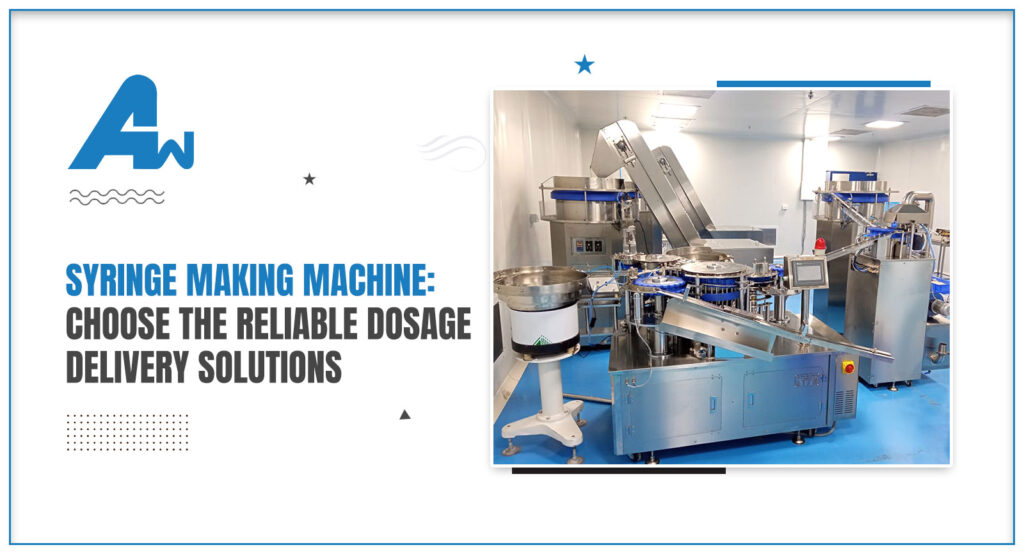
The molding and sterilization techniques should be strictly in accordance with the industrial standards. Here, you will also get an idea of how the syringe making machine works, as the product is manufactured with this machinery.
Why is Disposable Syringe Manufacturing a Growing Industry?
- The demand for disposable syringes is growing because of constant health issues in people. It is used for vaccination, medication, and collecting samples.
- The health industry is a growing market not only in India, but all around the world.
- Many of the organizations, like the WHO, encourage the use of syringes as it ensures patients’ safety.
- Disposable syringes are sterilized and ready to use, which makes them a cost-efficient solution as compared to reusable ones, which need to be sterilized regularly.
Step-by-Step Understanding the Disposable Syringe Making Process
Selecting the Premium Quality Raw Material:
The quality of the raw material used is directly proportional to the safety, as well as the performance of the syringe.
- Polypropylene is for a sturdy plunger and barrel.
- Stainless steel needle ensures precision and is corrosion-resistant
- Rubber or elastic elastomers for gaskets
- Printing inking for accurate dosage markings
Molding:
Once the material is prepared, the components are produced using injection molding. Polypropylene is melted and injected into the molds to create precise components, such as a plunger, barrel, caps, and other parts.
Needle Manufacturing:
The disposable syringe making machine is a complex machine. The needles are manufactured separately. The stainless steel tubes are cut and sharpened to create smooth, skin-penetrating needles. It is then attached to the plastic tube. The automated features of the machinery ensure consistency during the process and reduce the chances of contamination.
Assembling:
It is the final step, in which all the parts of the syringes manufactured separately come together to form a complete syringe. The automated system, in no time, assembles all the parts of the syringe. On the other hand, in manual one, the labourer has to do the assembling by hand, which could increase the chance of contamination.
In Conclusion…
So, these are the basic steps of disposable syringe preparation, which end with printing the dosage mark and packaging the syringes with the brand name printed, ready to be launched in the market. If you want the best disposable syringes, then you should invest in ‘AlliedWay (India)’, which has the most advanced syringe-making machine. The cutting-edge technology from the minds of the best engineers ensures only reliable and premium quality syringes. These machines are competitively priced as well, which makes them every manufacturer’s favorite.